Most homes in the Princeton corridor were built for families with kids. The families moved on, but the housing stock didn't.
A new analysis published Tuesday, July 28, by Soapbox Media finds that Hamilton County's first-ring suburbs, including Evendale, Woodlawn, Sharonville, and Springdale, face a growing gap between their aging single-family homes and the people who actually live in them. Countywide, 35% of households are now single-person households, making them the most common household type in the county, according to 2017-2021 census data compiled by the Local Initiatives Support Corporation (LISC).
Only 15% of Hamilton County households are married families with children. Yet 63% of the county's housing units are single-family homes built for that demographic.
"We're not San Francisco and we're not Boston, but we absolutely have a problem," Liz Blume, principal of Blume Community Partners consulting firm, told Soapbox Media. "Middle-class households in Hamilton County right now are having more trouble finding housing that they can afford to purchase in the places they want to live."
The numbers behind the squeeze
The median household income in Hamilton County in 2024 was just over $72,000, according to U.S. Census data cited in the analysis. The median price of a single-family home: $320,000. That gap puts homeownership out of reach for a household earning the county median.
More than 60% of homes in the county were built before 1970, with 25% built before 1940, according to LISC's Hamilton County data profile. The median year built countywide is 1962, and the oldest stock is concentrated in Cincinnati and nearby first-ring suburbs like those along the Princeton corridor.
Kristen Baker, executive director of LISC Greater Cincinnati, told Soapbox that developers are willing to build in the county but need local buy-in. "We've talked with a lot of developers who have said, Sure, we'd be happy to do projects in Hamilton County, but we don't know who wants this," Baker said. "It's very helpful if a community has already done some of the groundwork and is welcoming."
Local projects already in motion
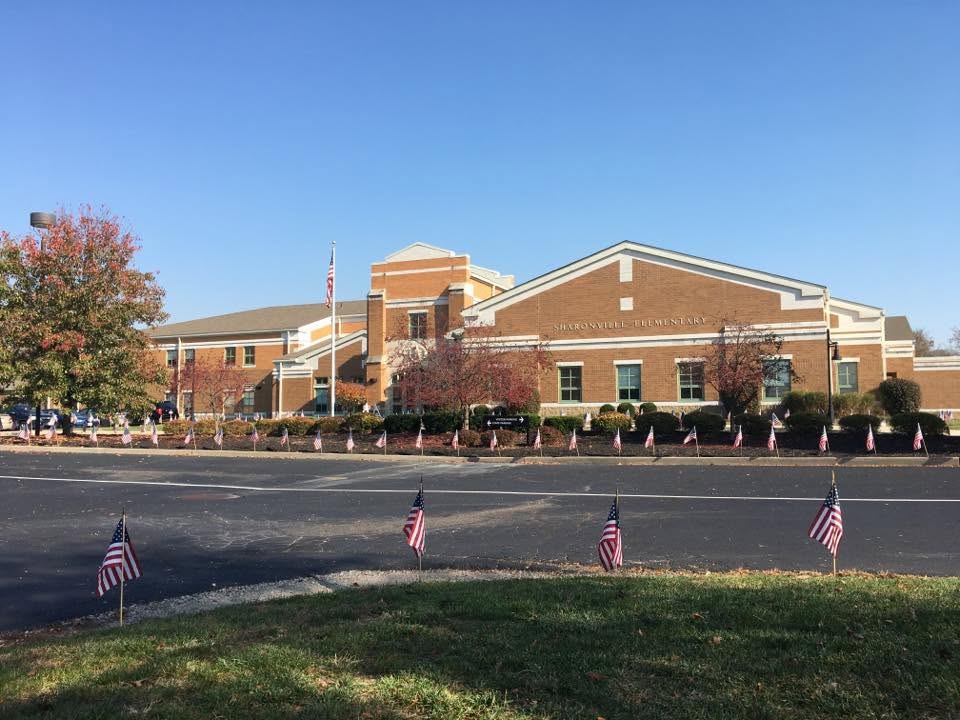
Sharonville is one corridor community actively responding. The city's proposed Downtown Loop redevelopment with developer Elevar Design Group and co-developer The Mayerson Company calls for approximately 200 residential units and 20,000 square feet of retail space in the city's downtown core, according to Sharonville's project page. As we reported July 27, Hamilton County plans to submit a request to HUD on or about Friday, July 31, for Community Development Block Grant funds to demolish a blighted structure at 11186 Reading Road and 11177 Main Street as part of that project.
In Springdale, City Council introduced Ordinance No. 33-2026 at its Wednesday, July 15, meeting to renew the city's cooperation agreement with Hamilton County for federal CDBG funding access, as we reported July 20.
Meanwhile, Enable Injections, headquartered in Evendale, is building a 90,000-square-foot manufacturing center in Springdale after receiving a $30 million investment from Sanofi in January 2026. That kind of job growth adds pressure on the corridor's housing supply.
What's next
The Soapbox analysis is part of a series called "First Suburbs — Beyond Borders," supported by the Murray & Agnes Seasongood Good Government Foundation and the First Suburbs Consortium of Southwest Ohio. Angela Rahman, Hamilton County's community development administrator, said the county wants to partner with communities to support housing projects.
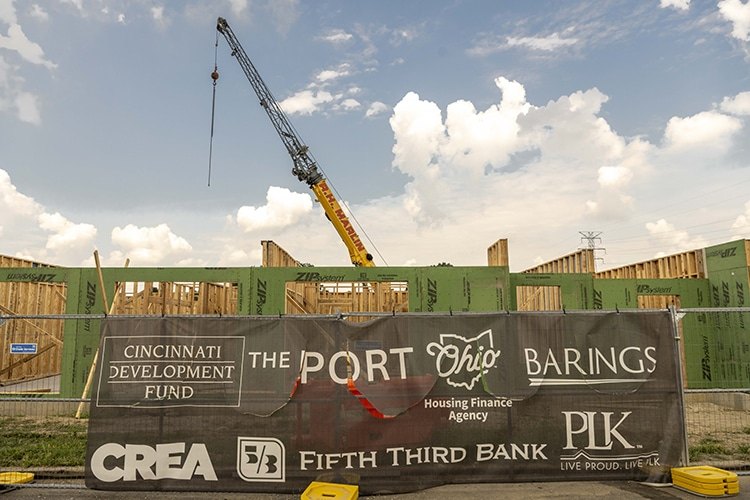
Affordable senior housing is identified as a key unmet need. Two projects in other first-ring suburbs offer models: a 178-unit senior apartment community under construction in Norwood for residents 55 and older, and Pedretti Place in Delhi Township, a 48-unit senior community that opened in 2025.
Hamilton County's HUD funding request for the Sharonville Downtown Loop demolition is expected to be submitted Friday, July 31.