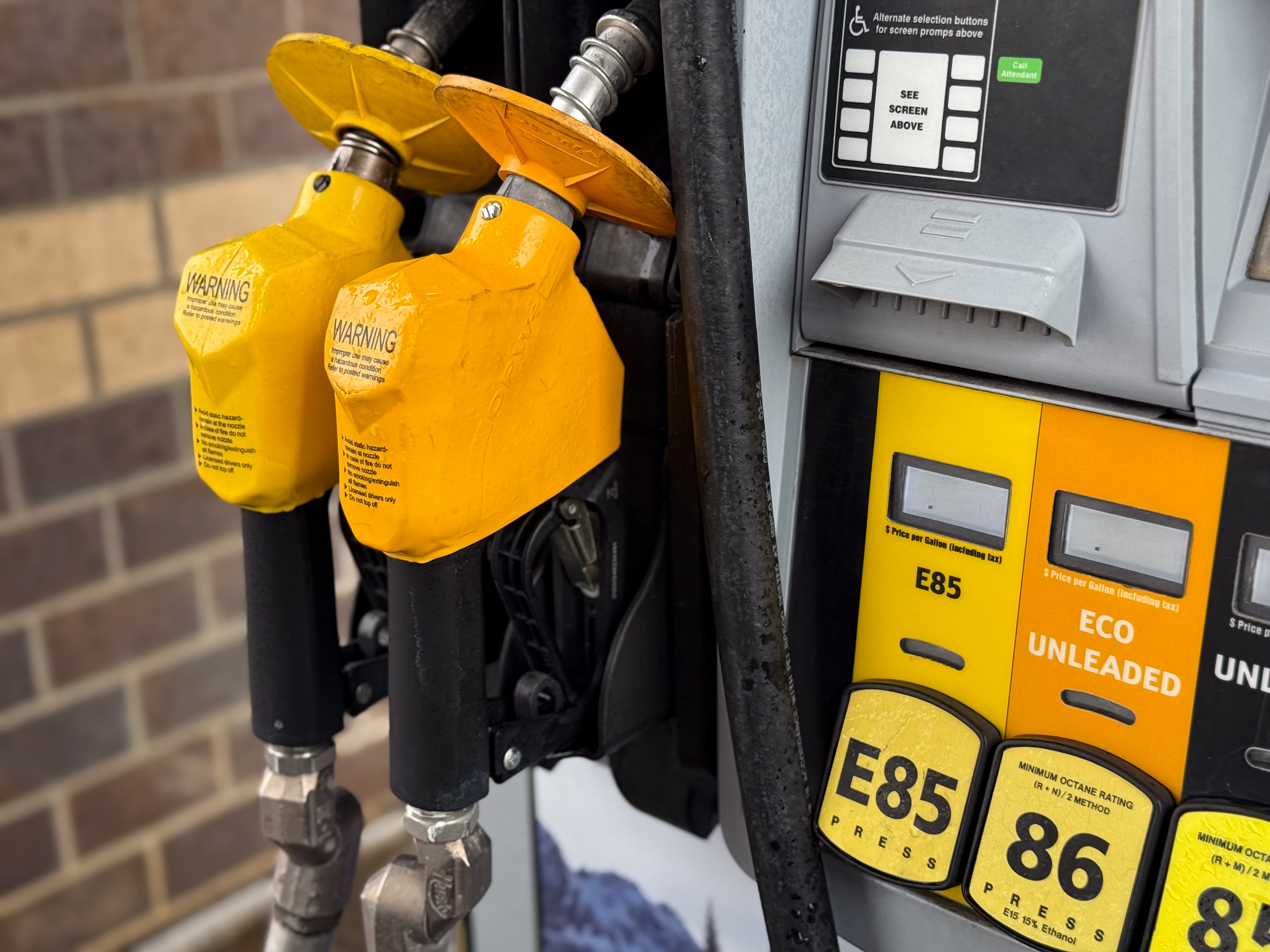
About 200 Ohio drivers have complained to the state Attorney General's Office that gas stations are not passing along savings from the 90-day gas tax holiday, Signal Cincinnati reported.
The complaints are allegations, not established violations. But for drivers filling up at Speedway, Marathon and Kroger stations across the state, the gap between the promised 38.5-cent-per-gallon cut and what they see on the pump sign is a sore spot.
Gov. Mike DeWine signed House Bill 519 on Oct. 1, and the holiday took effect Oct. 4. The law dropped the gas tax to one-hundredth of a cent per gallon, down from 38.5 cents for gasoline and 47 cents for diesel. Lawmakers funded the break with $725 million in surplus tax revenue.
The law says pass it on
HB 519 prohibits gas retailers from selling fuel during the holiday without passing the full tax reduction to customers. The law allows the Ohio Tax Commissioner to refer alleged violations to the Attorney General for enforcement.
When Signal reported, the attorney general's office said it had received no referrals. Ohio Attorney General Andy Wilson declined an interview. In a statement, he said high gas prices alone do not prove a retailer failed to pass along the tax break, but that his office has sought records from stations and parent companies named in complaints and is reviewing them.
Signal Cincinnati reported that it sent the complaints to Speedway, Marathon and Kroger, the three retailers most commonly named. None responded.
Complaints paint a picture of frustration
Frank Conley of Portsmouth wrote to the Attorney General that he saw only a 10-cent drop at most stations, according to Signal Cincinnati's reporting. Keith James of Hocking County said prices fell when the holiday started but climbed back up once public attention shifted, Signal Cincinnati reported. Pamela Herrera of Toledo said she watched gas jump from $3.33 per gallon to $4.19, according to the report.
The office logged the complaints but did not pursue them, instead referring filers to other agencies, Signal Cincinnati reported.
Lawmakers voice doubts
The Ohio House passed HB 519 on Sept. 30 by a vote of 78-16. The Senate approved it 31-1 the same day.
State Rep. Bride Rose Sweeney, a Cleveland Democrat and one of the 16 House members who voted no, told Signal Cincinnati the bill was "rushed" through in a single week. She said it bars customers from suing gas stations over alleged violations, leaving enforcement entirely to the Attorney General. Lawmakers also stripped out a receipt-printing requirement that could have helped verify whether retailers were complying, she said.
Some Republicans who voted for the bill have acknowledged concerns. Senate Energy Chairman Brian Chavez, who supported the holiday, said it may have been the right idea but too hard to police, according to Signal Cincinnati. State Rep. Justin Pizzulli called on the Attorney General on social media to investigate what he called "fishy" pricing practices, the outlet reported.
What research shows
A June 2022 study by the University of Pennsylvania's Wharton School examined gas tax holidays in Maryland, Georgia and Connecticut. Researchers found consumers received most but not all of the savings: about 72% in Maryland, 58% to 65% in Georgia and 71% to 87% in Connecticut. In each state, the discount shrank as the holiday's scheduled end date drew closer.
The legislation does not spell out how to separate the tax cut's effect from other factors that shape gas prices, including refinery costs and crude oil markets.
What comes next
The gas tax holiday expires in January. Attorney General-elect John Kulewicz, the first Democrat to win the office since 2008, said during the campaign he would pursue legal action against any gas retailer that siphons savings from consumers, Signal Cincinnati reported.
Signal Cincinnati reported that a spokeswoman for the Ohio Department of Taxation did not respond to inquiries about the enforcement process.