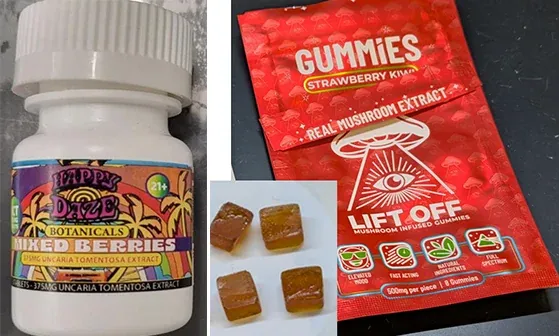
Herbal supplements sold at gas stations and vape shops across Ohio have been found laced with illegal drugs, including one product found at the scene of a fatal overdose.
Gov. Mike DeWine and Attorney General Andy Wilson issued a joint public bulletin on Friday, Nov. 6, urging Ohioans to stop buying so-called "gray market" supplements. The Ohio Narcotics Intelligence Center (ONIC) and the Ohio Bureau of Criminal Investigation (BCI) prepared the bulletin.
The statewide warning applies to anyone who buys supplements at gas stations or vape shops, retail locations common throughout the Princeton Pike corridor communities.
What investigators found
State officials said products claiming to contain the legal herb "cat's claw," also known as Uncaria tomentosa, actually contained synthetic kratom in multiple confirmed cases. Ohio banned synthetic kratom compounds in 2025.
Those compounds produce opioid-like effects, according to the bulletin. They are highly addictive and have been found to cause psychosis, seizures, insomnia, hallucinations and death.
Authorities found a package of "Happy Daze Botanical Mango" at the scene of a fatal overdose, the bulletin said. The package claimed to contain 375 milligrams of cat's claw. BCI forensic analysis determined it contained synthetic kratom instead. Toxicology results in that case are still pending.
The bulletin did not identify where the fatal overdose occurred.
Beyond cat's claw
The state has also identified mislabeled supplements containing other illegal substances, including synthetic opioids and LSD, according to the bulletin. These gray-market products are often sold in brightly colored packaging and claim to contain harmless, naturally occurring ingredients, officials said.
"We strongly encourage individuals to avoid purchasing herbal supplements from places like gas stations and vape shops," DeWine said in the bulletin. "There is no quality control on these products, so those who ingest them are taking a serious gamble with their health."
Wilson warned that selling unregulated products exposes retailers to legal liability.
"If you aren't absolutely sure what you're buying and ingesting, it simply isn't worth the risk," Wilson said. He urged lawmakers to work with law enforcement to keep mislabeled products off store shelves.
What to do
Anyone who suspects an overdose should call 911, administer naloxone if available and stay with the person until help arrives, the bulletin said.
Ohio offers free naloxone to individuals through its Project DAWN program, delivered to homes or available at program sites. The state also supplies it to organizations and first responders.
Residents who encounter a questionable product can contact the ONIC tip line at 1-833-OHIO-NIC (1-833-644-6642).