Springdale City Council voted 7-0 on Oct. 21 to replace the city's entire zoning code, a move that creates new business districts, sets citywide building design rules and drops three outdated zoning classifications.
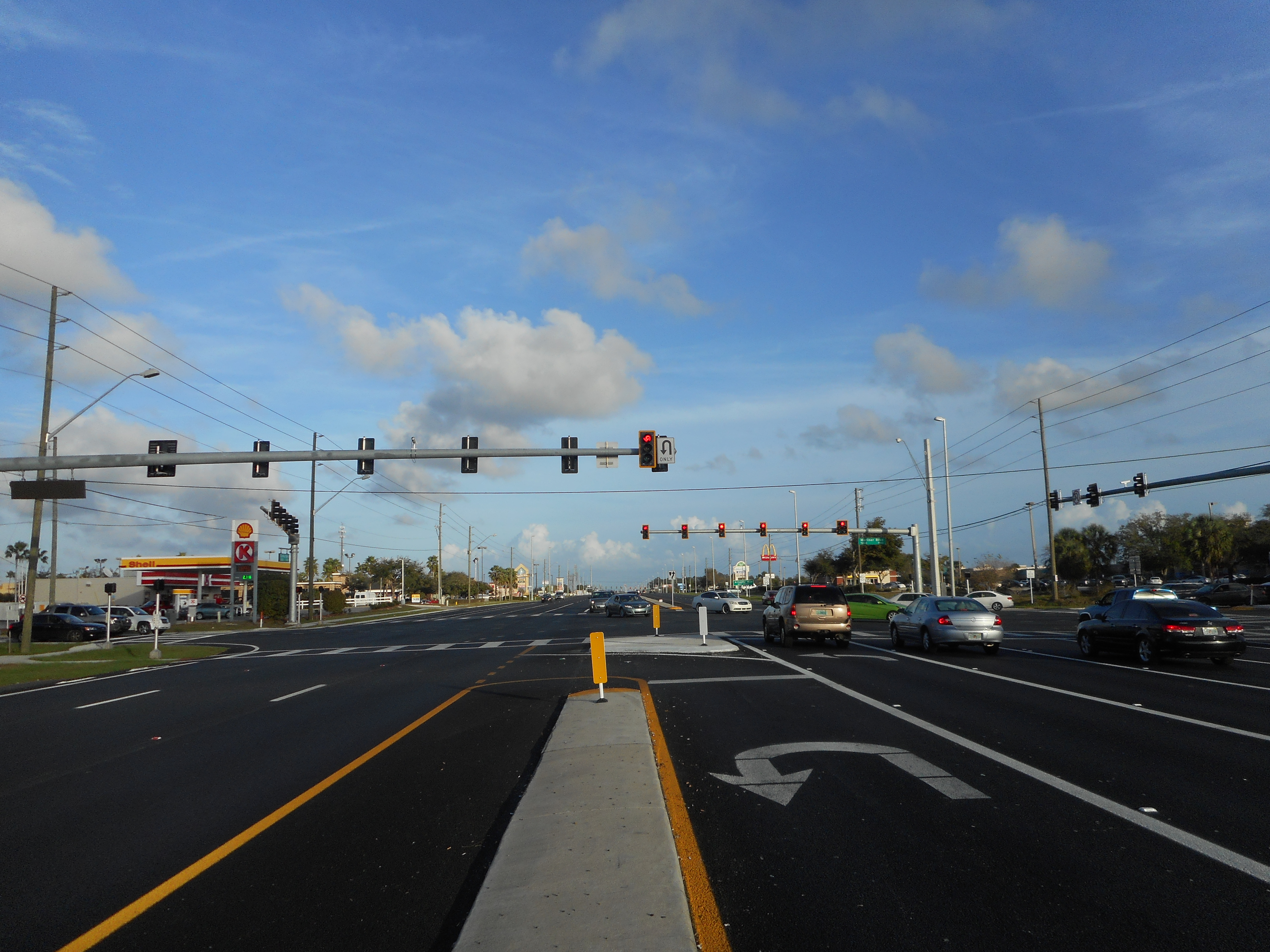
Council also learned that the Ohio-Kentucky-Indiana Regional Council of Governments (OKI) approved a grant of just under $1 million for upgrades to about 33 of the city's traffic signals, according to the council's meeting minutes.
What the new zoning code changes
Ordinance 44-2026 repeals Chapter 153 of the city's codified ordinances and replaces it with a new zoning code and updated zoning map. The effort was led by consulting firm McBride Dale Clarion, funded by a $50,000 grant from the Ohio Department of Development.
The code adds two zoning districts. The Neighborhood Business (NB) District, located along the Route 4 corridor, allows a mix of uses in areas that had been more restrictive. The Service and Employment (SE) District covers the southeast part of the city, south of Kemper Road.
Three districts were eliminated: Transition, Office Business and Support Services. City planner Ms. Hays told council the Office Business classification had been too restrictive, leaving vacant spaces difficult to fill.
The new code also replaces the Route 4 Corridor Overlay District's patchwork of architectural requirements with a single citywide standard. That standard applies to all new commercial and industrial development and covers building materials, entrance placement, roof and window requirements, and exterior equipment screening.
Planned developments get new rules
Keeghan Stitt-White of McBride Dale Clarion walked council through changes to Planned Unit Development (PUD) standards. The minimum area for a PUD drops from three acres to one. Any use can now be proposed within a PUD, though council must approve it. Density limits, previously tied to the underlying zoning, can now be set during the development plan process.
New residential PUD requirements include anti-monotony standards so identical houses cannot sit side by side, minimum landscaping of two trees and five shrubs per lot, and a requirement for recreational amenities. Subdivisions with fewer than 50 units must provide one amenity; those with 50 or more need two.
Non-residential PUDs next to residential areas must now include a 50-foot landscaped buffer. Public hearings, previously required only for major amendments, now apply to minor amendments as well.
Residents weighed in
Staff notified more than 150 property owners whose zoning classification would change. Hays said the city received calls and questions, and the committee decided to keep residential zoning on Glensharon after residents raised concerns.
No one spoke at the public hearing, which opened at 7:39 p.m. and closed at 7:40 p.m. Council member Thompson asked whether existing variances would be affected. Hays confirmed they would not.
One change residents may notice quickly: the code now allows multiple accessory structures in residential rear yards. Hays called it the most impactful change for homeowners, noting residents can now have both a gazebo and a shed.
Traffic signal grant
Council President Anderson reported that OKI's board approved the signal grant at its Oct. 8 meeting. The grant covers LED upgrades and other improvements to about 33 signals.
Anderson said the grant keeps roughly $1 million in tax money closer to home. The Nov. 18 Finance Committee meeting was set to begin discussions on the 2027 budget.