Hamilton County homeowners in Springdale, Woodlawn, and Evendale could see their property tax bills jump by $200 to $390 a year if commissioners approve a children's services levy for the November ballot.
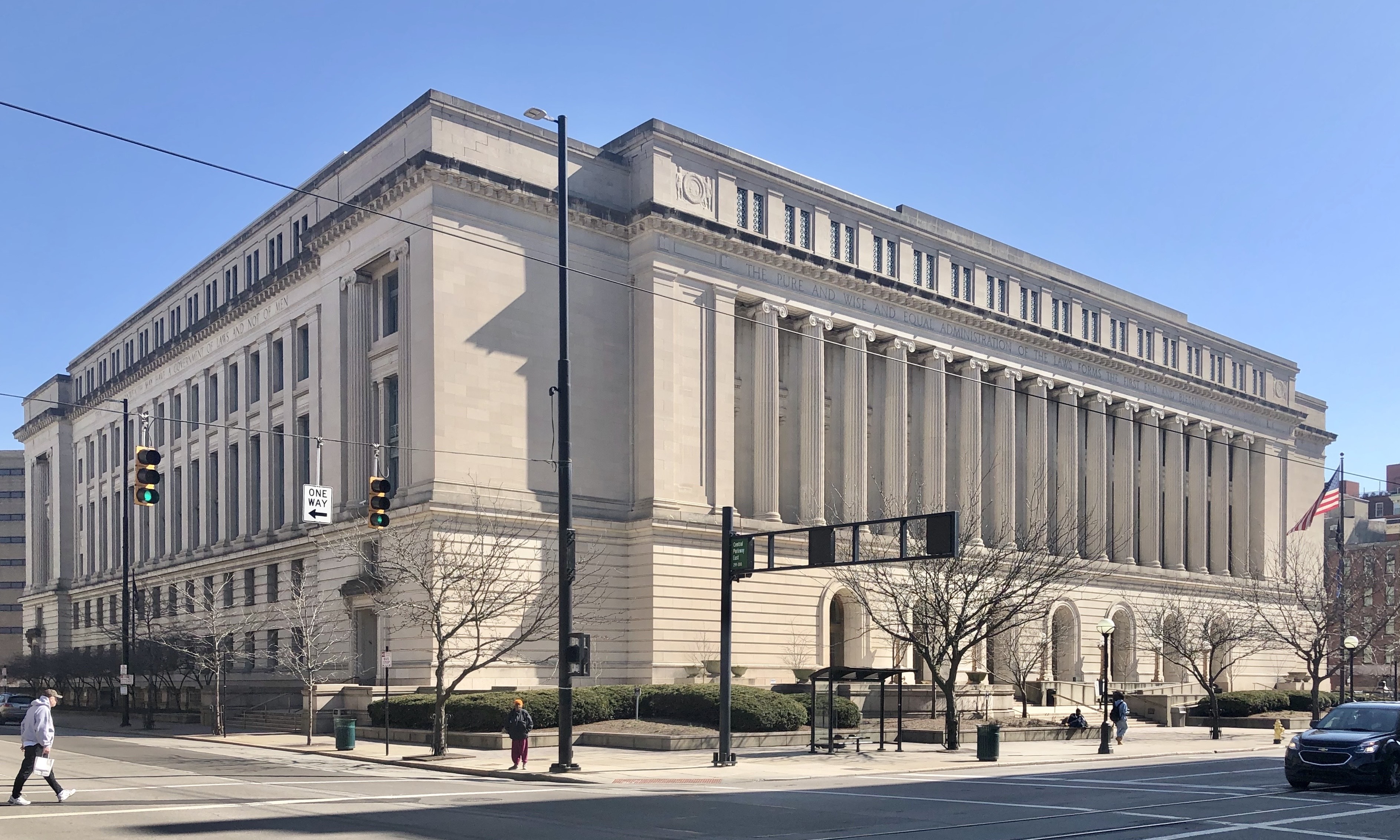
The three-member Hamilton County Board of Commissioners is scheduled to vote Aug. 4, at 10 a.m. on whether to place a Jobs and Family Services levy before voters this fall. The meeting will be held at 138 E. Court St., Room 605, in downtown Cincinnati. Commissioners must act by 4 p.m. Aug. 5, to meet the November ballot deadline.
The levy would replace and expand the current children's services property tax, which expires at the end of 2026 and generates about $81 million a year. The county's Tax Levy Review Committee has recommended a 6.57 mill levy generating $144 million annually to cover mandated services. At that rate, homeowners would pay $157 per $100,000 of home value, up from the current $81.15.
Commissioners have indicated they will not put forward the full $144 million option.
What corridor homeowners would pay
For a Springdale homeowner with a home valued around $242,000 to $256,000, the full recommended levy would cost roughly $380 to $402 per year. That's an increase of about $195 to $210 over what they pay now. Woodlawn homeowners, with a median home price around $242,000, would see a similar bill.
In Evendale, where the average home value sits at roughly $515,000, the full levy would cost about $808 per year, an increase of approximately $390.
Commissioner Denise Driehaus has said she favors a smaller 5.61 mill option collected over four years, which would generate about half of what the review committee recommended. That option would cost corridor homeowners less, though the county has not published an exact per-$100,000 figure for it.
Why costs are rising
JFS spending rose 83% in four years, climbing from $98.4 million in 2021 to $180.4 million in 2025, according to the Tax Levy Review Committee's report. Out-of-home care costs alone rose from $50.4 million in 2022 to $97.3 million in 2025, nearly doubling in three years. The agency has already cut $36 million to address the shortfall, and its reserve fund has dropped from nearly $150 million to $41.9 million.
Ohio contributes just 18% of child welfare funding, second-lowest among all states. The national average is 42%.
Commissioners split on approach
Commission Vice President Alicia Reece walked out of a July 29 staff meeting after her proposal to borrow against future stadium sales tax revenue was rejected by county administration. A county legal memo concluded that using stadium funds for children's services would violate state law.
"If we're going to save the children, we've got to at least get as creative as we do with these stadiums," Reece said at the July 29 meeting, according to WCPO.
Commission President Stephanie Summerow Dumas said at a July 30 meeting that she wants to keep the tax burden as low as possible while still funding services. Driehaus said in July that whatever option commissioners choose must be one voters will actually approve.
What happens if the levy fails
Almost all services funded by the levy are required by state law, according to Fox 19. If voters reject the levy in November, the county would have to absorb those costs from its general fund, potentially affecting other county services. JFS Interim Director John Nelson has identified Safe Shelter and foster care support as the programs most at risk.
This would be the first levy increase since 2018. Voters renewed the existing levy in 2021 with 58% support.
Commissioners have more than a dozen options on the table Tuesday, ranging from the full 6.57 mill recommendation to shorter-term levies at lower rates. Residents can attend the 10 a.m. vote at 138 E. Court St., Room 605.