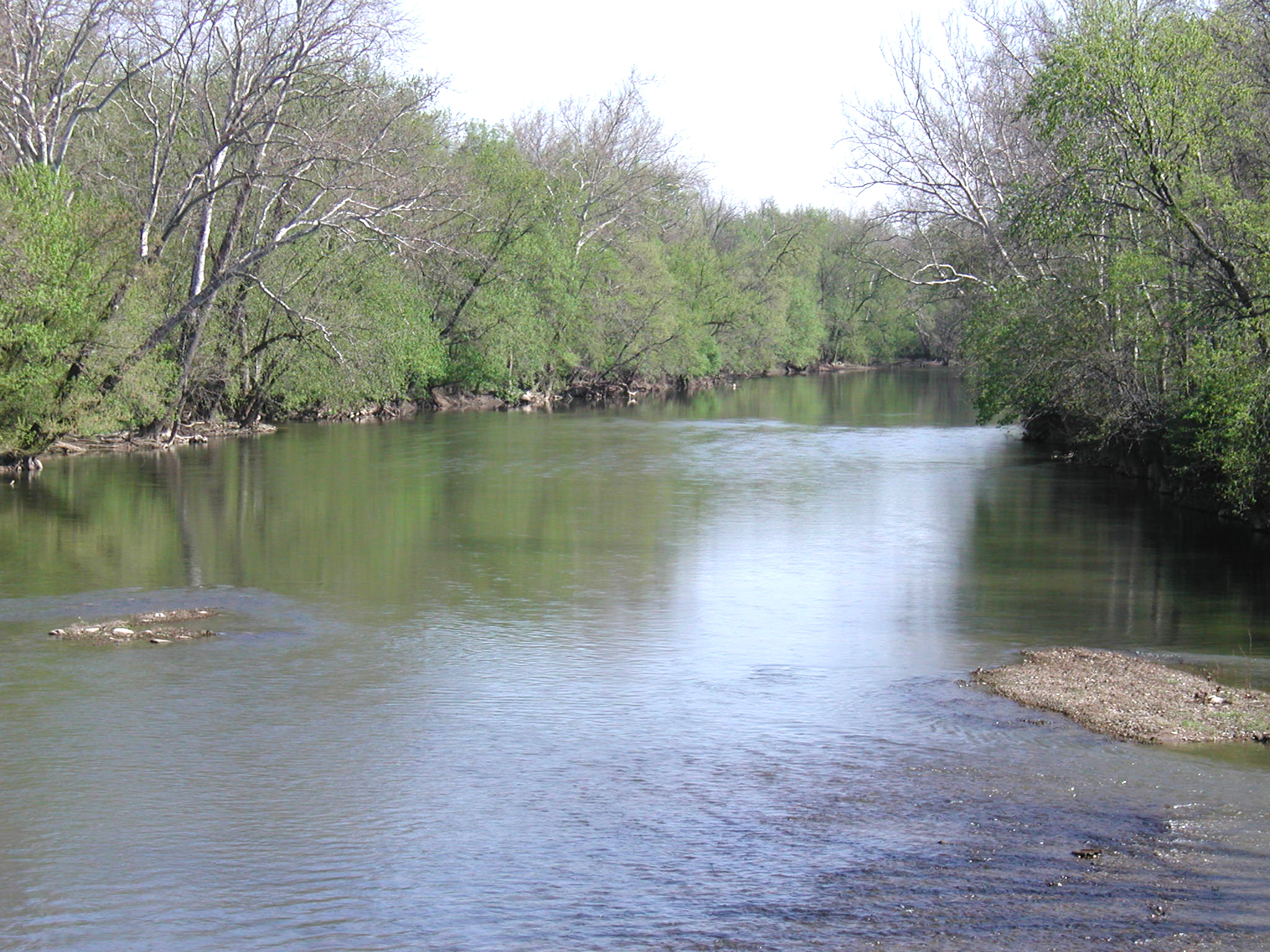
Raw sewage from a flood-damaged wastewater plant in Indiana is actively flowing into the Whitewater River, prompting Hamilton County Public Health to warn residents to avoid all contact with the Whitewater and the Great Miami River south of where the two meet.
The advisory, announced Aug. 21, covers waterways accessible to Sharonville and Springdale residents and popular with swimmers, canoeists and kayakers in western Hamilton County. As of Aug. 21, officials had given no timeline for lifting the advisory.
What happened
Historic flooding struck Connersville, Indiana, in mid-August, pushing river crests near Alpine to nearly 23 feet and forcing water rescues. The floodwaters knocked the Connersville wastewater treatment plant offline, about 50 miles northwest of Hamilton County.
An "unknown amount" of untreated sewage has been actively discharging into the Whitewater River since the plant went down, according to an Aug. 19 alert from the Ohio River Valley Water Sanitation Commission (ORSANCO), a multi-state water quality agency. That alert is what first notified Hamilton County health officials of the problem.
Connersville Mayor Chad Frank said engineers and contractors are working around the clock but are still pumping water out of the plant's sub-basement.
"It was a disaster down there," Frank said. "We finally started getting some equipment on site. I wish I could give you a timeline. It depends on how much more damage we find."
Health risks
Dr. Steve Feagins, medical director for Hamilton County Public Health, said the contaminated water poses risks from both ingestion and skin contact. His concern: elevated coliforms, E. coli and other bacteria in the water column.
Hamilton County Public Health's advisory also warns of Cryptosporidium, a parasite that can cause diarrhea, stomach cramps, nausea and vomiting.
The water is unsafe.
Hamilton County Public Health said the 50-mile distance from the discharge source reduces the potential impact by the time sewage reaches the area, but exposure could still cause illness in people and pets. Children and pets face higher risk because they are more likely to swallow water while playing.
What residents should do
Hamilton County Public Health advises:
- Do not swim, boat or play in or near the Whitewater River or the Great Miami River south of the confluence.
- Keep children and pets away from the water.
- Avoid letting bare skin touch potentially contaminated water.
- Wash hands, clothing and footwear thoroughly if you must be near these areas.
Residents can find E. coli and Cryptosporidium fact sheets at hamiltoncountyhealth.org/fact-sheets or call Hamilton County Public Health at (513) 946-7000 for updates on when the advisory will be lifted.