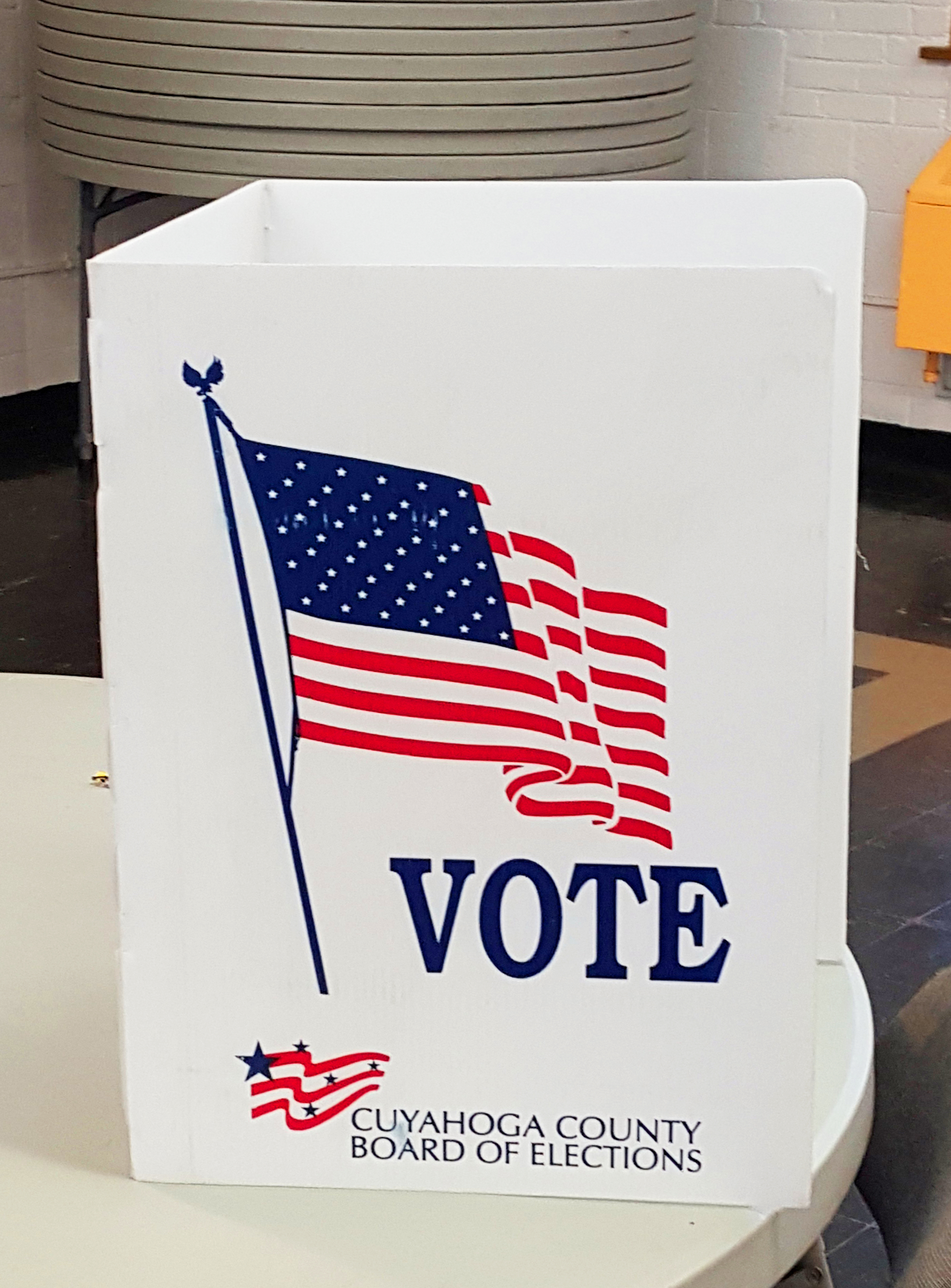
Ohio voters approved Issue 3 on Tuesday, Nov. 3, writing the state's photo ID voting requirement into the constitution.
The amendment passed with broad support, according to unofficial results from multiple outlets on election night.
| Yes | No |
|---|---|---|
Statewide | 66% | 34% |
Unofficial results as of approximately 9:50 p.m. Nov. 3, 2026. Source: Columbus Dispatch, citing the Associated Press. Raw vote totals and precinct reporting status were not available in captured sources. Final certification is pending.
The Associated Press called the race before 10 p.m., Signal Ohio reported, after determining not enough uncounted votes remained to change the outcome. As of 9:50 p.m., 65% of voters supported the measure, according to Signal Ohio.
As we reported Nov. 3, the measure asked voters whether to move existing photo ID rules from state law into the constitution. For corridor voters heading to the polls in Evendale, Woodlawn, Sharonville and Springdale, the rules at the polling place stay the same. Ohio has required government-issued photo ID for in-person voting since 2023.
The practical change is about the future. The amendment takes effect immediately, according to WLWT.
Before passage, the legislature could have loosened or repealed the photo ID law with a simple majority vote. Changing the constitution requires either 60% approval in each legislative chamber or gathering hundreds of thousands of valid signatures statewide, according to WCPO. Any proposed change would then need voter approval at the ballot box, Signal Ohio reported.
What ID do voters need?
The approved forms of identification remain:
- An unexpired Ohio driver's license or state ID card
- A U.S. passport or passport card
- A U.S. military identification card
- An Ohio National Guard identification card
- A U.S. Department of Veterans Affairs identification card
Voters with a sincere religious objection to being photographed may provide an alternative form of identity verification under Ohio law, WLWT reported. University IDs and out-of-state driver's licenses do not qualify, according to the Dispatch.
How it reached the ballot
Republican gubernatorial candidate Vivek Ramaswamy urged GOP lawmakers to place Issue 3 on the ballot, saying the measure would strengthen Ohio's election system, the Dispatch reported. Republican lawmakers put it before voters in June.
Democratic gubernatorial candidate Amy Acton also supported Issue 3, a break from her party's traditional stance on voter ID, Signal Ohio reported.
State Representatives Adam Bird and Heidi Workman and Senators Theresa Gavarone and Jane Timken submitted the official support statement. They called the requirement "commonsense" and said it would safeguard voters from "imposters seeking to steal their vote," according to WLWT.
Senator Bill DeMora and Representatives Desiree Tims and Terrence Upchurch opposed the measure. They said it "fails to provide any safety measures for our elections while leaving many of our voting rights … open to attacks by extremists," according to WLWT.
Most Democrats opposed Issue 3, and critics said it could prevent Ohio from modernizing its voting laws in the future, the Dispatch reported.
Issue 3 preserves lawmakers’ ability to authorize alternatives to photo ID for mail voting. Absentee voters can currently provide a driver's license number or the last four digits of their Social Security number instead, the Dispatch reported.