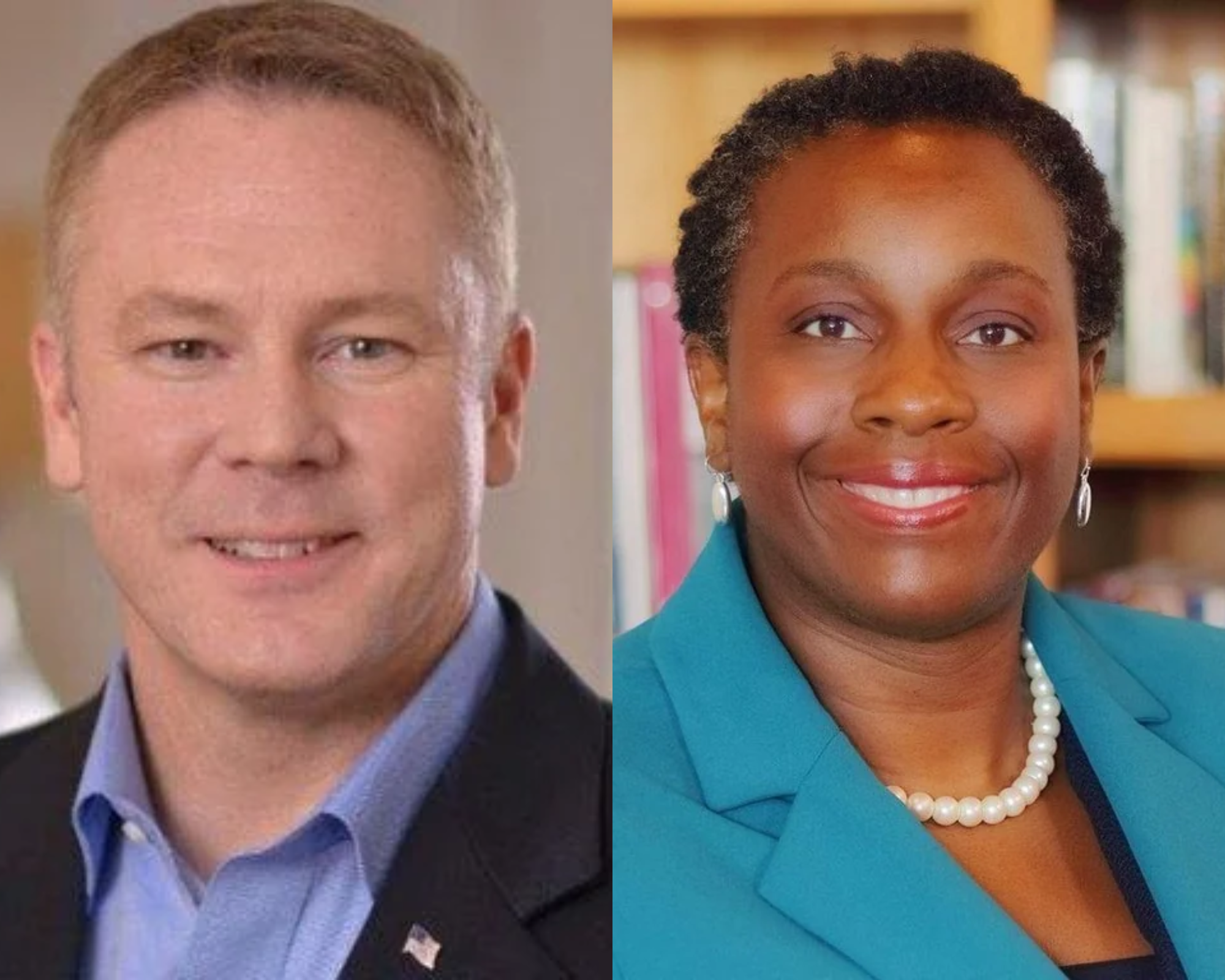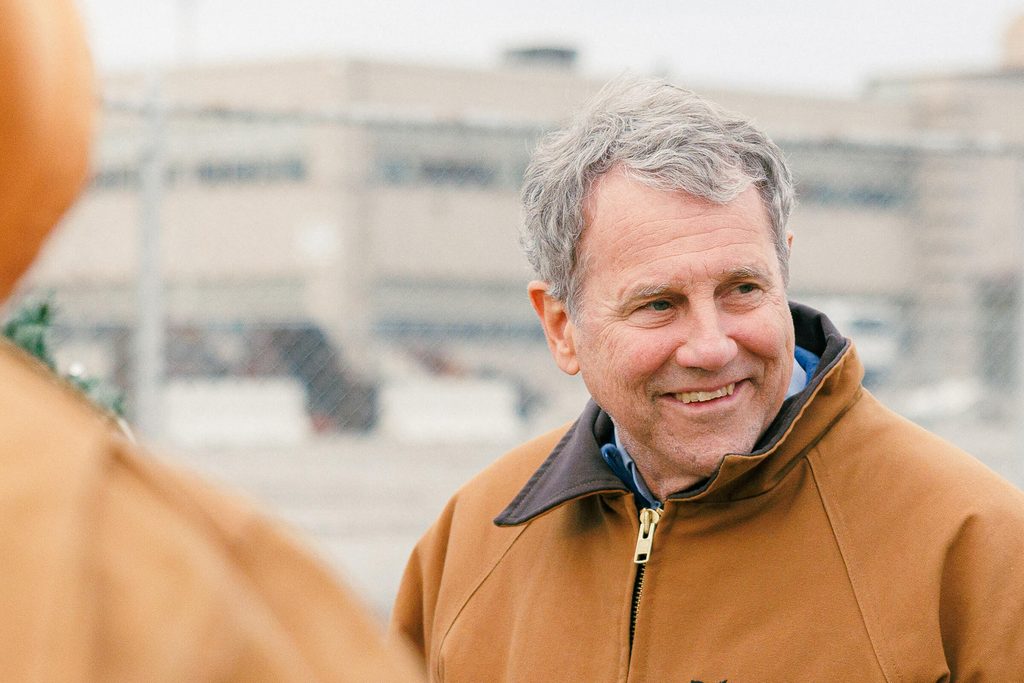
Democrat Sherrod Brown defeated Republican Sen. Jon Husted in Ohio's special U.S. Senate election on Nov. 3, the Associated Press projected with 87% of the vote counted.
The result sends Brown back to Washington two years after losing his seat to Republican Bernie Moreno. Brown will serve the remaining two years of the term JD Vance won in 2022 before resigning to become vice president.
Closer to home, Hamilton County voters turned out in force. Close to 55.8% of the county's 616,757 registered voters cast ballots in advance or on Election Day, topping the last three midterm elections, according to unofficial results from the Hamilton County Board of Elections. Turnout in 2022 was 51.51%, and in 2018 it was 57.52%.
Statewide, with 92% of votes counted just past 11 p.m., Brown held 48.5% to Husted's 46.6%, according to unofficial results reported by the Cincinnati Enquirer. Libertarian Bill Redpath and independent Greg Levy also appeared on the ballot.
Data centers loomed large
Affordability dominated the race, but data center development emerged as a defining issue with particular resonance in the Greater Cincinnati region.
Brown campaigned on requiring data center developers to pay the full cost of their utilities so residential ratepayers' bills would not increase. He criticized tax incentives Husted promoted while serving as lieutenant governor.
Husted defended the economic value of technology investment. He introduced the Ratepayer Protection Act, which would have required state utility commissions to consider strategies making data centers pay for their own energy use, according to 10TV. The bill passed the U.S. House but not the Senate.
In nearby Butler County, voters in Trenton passed Issue 17 on the same ballot, prohibiting construction of data centers using more than 25 megawatts of electricity. About 79.61% of voters in Trenton's eight precincts supported the ban, according to unofficial results from the Butler County Board of Elections.
A $400 million contest
The race drew more than $400 million in advertising spending and reservations, according to AdImpact, a political advertising analytics company. NBC4 reported that Republican advertisers accounted for roughly $246 million, compared with about $176.5 million from Democratic advertisers.
Through Sept. 30, Brown's campaign reported raising $61.7 million and spending $56.8 million. Husted's campaign reported raising $19.2 million and spending $10.3 million, according to NBC4.
The cryptocurrency industry spent about $54 million supporting Husted, topping the $40 million it spent in 2024 to help Moreno defeat Brown, Spectrum News 1 reported. Elon Musk funneled more than $7 million to independent groups backing Husted, the Ohio Capital Journal reported.
The candidates
Brown, 73, represented Ohio in the U.S. Senate from 2007 to 2025. He lost to Moreno in 2024 by about 3.5 percentage points, then won this year's Democratic primary with 89.4% of the vote. Before the Senate, Brown served in the U.S. House, as Ohio secretary of state and in the Ohio House.
Husted, 59, was appointed to the Senate by Gov. Mike DeWine in January 2025 after Vance's resignation. He previously served as lieutenant governor, secretary of state, a state senator and speaker of the Ohio House. Nonpartisan forecasters Cook Political Report, Decision Desk HQ and Inside Elections all rated the contest a toss-up heading into Election Day.
Brown will serve until January 2029, when the term expires.